Your What system is the skin in images are available in this site. What system is the skin in are a topic that is being searched for and liked by netizens today. You can Download the What system is the skin in files here. Download all royalty-free photos and vectors.
If you’re searching for what system is the skin in images information connected with to the what system is the skin in topic, you have come to the right site. Our site always provides you with suggestions for refferencing the highest quality video and picture content, please kindly search and locate more enlightening video articles and images that fit your interests.
What System Is The Skin In. The skin is composed of three layers. In mammals the skin is an organ of the integumentary system made up of multiple layers of ectodermal tissue and guards the underlying muscles bones ligaments and internal organs. Your skin also feels sensation communicating with your brain what is going on around you. The primary function of this system is to protect the body from external elements such as bacteria or pollution.
 Website Written For Kids About Health And The Body This Pin Is To An Article About The Skin So Much Other I Rodan And Fields Consultant Skin Human Body Unit From pinterest.com
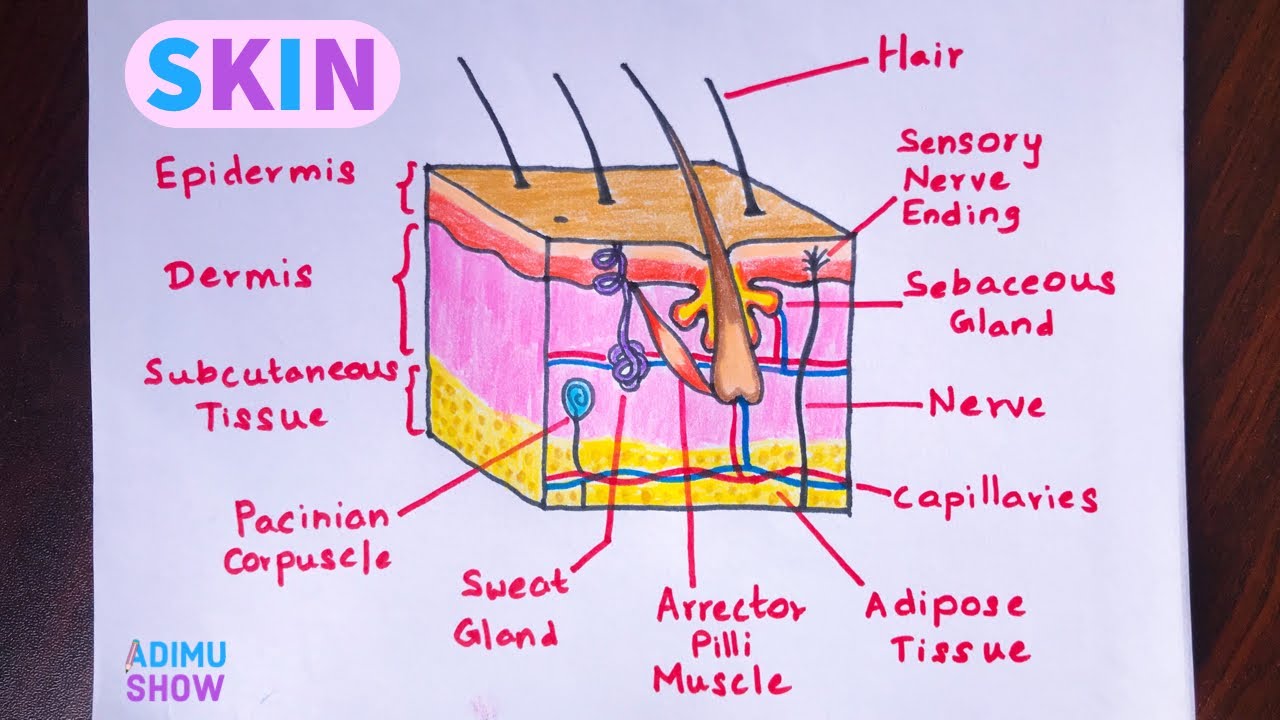
It is made up of three layers. The skin is composed of three layers. Dermis is primarily composed of connective tissue that provides support and blood vessels for the skin. The Basal Cell Layer. Immune cells inhabit the epidermis and dermis. The basal layer is the innermost layer of the epidermis and contains small round cells called.
Distribution and immunophenotype of lymphocyte subpopulations in normal human skin.
Effects of rIFN alpha beta and gamma on the morphology proliferation and cell surface antigen expression of human dermal microvascular endothelial. The integumentary system is formed by the skin and its derivative structures see Figure 1-1. The epidermis the dermis and subcutaneous tissue Kanitakis 2002. The skin protects us from microbes and the elements helps regulate body temperature and permits the. The skin is only a few millimeters thick yet is by far the largest organ in the body. Creating sensation through nerve endings that detect temperature pressure vibration touch and injury.
 Source: pinterest.com
Functions of the skin The skin is multipurpose meaning it has a lot of functions. Distribution and immunophenotype of lymphocyte subpopulations in normal human skin. In mammals the skin is an organ of the integumentary system made up of multiple layers of ectodermal tissue and guards the underlying muscles bones ligaments and internal organs. The key immune cells in the epidermis are. The skin protects us from microbes and the elements helps regulate body temperature and permits the.
 Source: pinterest.com
The skin surface The intact surface of the skin is pitted by the orifices of sweat glands and hair folliclesthe so-called poresand is furrowed by intersecting lines that delineate characteristic patterns. Google Scholar Ruszczak Z Detmar M Imcke E Orfanos CE. The skin is the bodys largest organ made of water protein fats and minerals. Basket Cells Basket cells surround the base of hair follicles and can sense pressure. The skin is only a few millimeters thick yet is by far the largest organ in the body.
 Source: pinterest.com
The integumentary system is formed by the skin and its derivative structures see Figure 1-1. Figure 1 A section of skin with various accessory organs. In this study we aimed to establish an analytical system based on single particle inductively coupled plasma mass spectrometry sp-ICP-MS to determine the physical properties of nAgs in the skin. This system is responsible for all the sensations we feel cold hot smooth rough pressure tickle itch pain vibrations and more. Nerves in the skin help you feel sensations like hot and cold.
Source: pinterest.com
The average persons skin weighs 10 pounds and has a surface area of almost 20 square feet. The integumentary system is made up of several organs and structures including the skin hair nails glands and nerves. This consists mainly of cells called keratinocytes made from the tough protein keratin also the. The integumentary system is formed by the skin and its derivative structures see Figure 1-1. Under these two skin layers is a fatty layer of subcutaneous tissue known as the subcutis or hypodermis.
 Source: pinterest.com
The primary function of this system is to protect the body from external elements such as bacteria or pollution. The skin is continuous with the mucous membranes lining the bodys surface Kanitakis 2002. Storing lipids fats and water. In humans it is the bodys largest organ covering a total area of about 20 square feet. The outermost is the epidermis.
 Source: pinterest.com
The skin is only a few millimeters thick yet is by far the largest organ in the body. The primary function of the integumentary system is to protect the inside of the body from elements in the environmentlike bacteria pollution and UV rays from the sun. The epidermis dermis and hypodermis. Since skin plays a major role in immunologic responses of the body its lymphatic drainage is as significant as its blood vascular system. The integumentary system is a collection of organs that includes the skin hair nails endocrine glands and sensory nerves.
 Source: pinterest.com
This system is responsible for all the sensations we feel cold hot smooth rough pressure tickle itch pain vibrations and more. Functions of the skin The skin is multipurpose meaning it has a lot of functions. Our sense of touch is controlled by a huge network of nerve endings and touch receptors in the skin known as the somatosensory system. The integumentary system is formed by the skin and its derivative structures see Figure 1-1. It protects our internal organs from the environment using a multi-layered system of cushioning a cellular barrier and protective oils.
 Source: pinterest.com
It is made up of three layers. Your skin protects your body from germs and regulates body temperature. Effects of rIFN alpha beta and gamma on the morphology proliferation and cell surface antigen expression of human dermal microvascular endothelial. The integumentary system is formed by the skin and its derivative structures see Figure 1-1. The key immune cells in the epidermis are.
 Source: pinterest.com
Storing lipids fats and water. Immune cells inhabit the epidermis and dermis. Effects of rIFN alpha beta and gamma on the morphology proliferation and cell surface antigen expression of human dermal microvascular endothelial. Langerhans cells in the skin are part of the immune system. The skin immune system SIS.
 Source: pinterest.com
A section of skin with various accessory organs is shown in Figure 1. In mammals the skin is an organ of the integumentary system made up of multiple layers of ectodermal tissue and guards the underlying muscles bones ligaments and internal organs. The Basal Cell Layer. The skin is only a few millimeters thick yet is by far the largest organ in the body. The skin immune system SIS.
 Source: pinterest.com
Figure 1 A section of skin with various accessory organs. The integumentary system is an organ system consisting of the skin hair nails and exocrine glands. Immune cells inhabit the epidermis and dermis. Nerves in the skin help you feel sensations like hot and cold. In mammals the skin is an organ of the integumentary system made up of multiple layers of ectodermal tissue and guards the underlying muscles bones ligaments and internal organs.
 Source: pinterest.com
Your skin also feels sensation communicating with your brain what is going on around you. Skin is the soft outer tissue which covers vertebrates. It is made up of three layers. This system incorporates your hair nails and specialized glands and nerves. Under these two skin layers is a fatty layer of subcutaneous tissue known as the subcutis or hypodermis.
 Source: in.pinterest.com
Skin of a different nature exists in amphibians reptiles and birds. Your skin in cooperation with your nervous system is. The skin also consists of accessory organs such as glands hair and nails thus making up the integumentary system. This consists mainly of cells called keratinocytes made from the tough protein keratin also the. Skin is the soft outer tissue which covers vertebrates.
 Source: pinterest.com
What are the 10 layers of skin. The integumentary system is a collection of organs that includes the skin hair nails endocrine glands and sensory nerves. The skin is the largest organ of the body with a total area of about 20 square feet. Epidermal dendritic cells Langerhans cells Keratinocytes skin cells. The skin protects us from microbes and the elements helps regulate body temperature and permits the.
 Source: pinterest.com
Your skin protects your body from germs and regulates body temperature. The key immune cells in the epidermis are. Since skin plays a major role in immunologic responses of the body its lymphatic drainage is as significant as its blood vascular system. A section of skin with various accessory organs is shown in Figure 1. Nerves in the skin help you feel sensations like hot and cold.
 Source: pinterest.com
The integumentary system consists of the skin hair nails and exocrine glands. The skin immune system SIS. The skin or integument is considered an organ because it consists of all four tissue types. Skin is made up of three layers. Your skin along with your hair nails oil glands and sweat glands is part of the integumentary in-TEG-you-ME I NT-a-ree system.
 Source: pinterest.com
Creating sensation through nerve endings that detect temperature pressure vibration touch and injury. It protects our internal organs from the environment using a multi-layered system of cushioning a cellular barrier and protective oils. The average persons skin weighs 10 pounds and has a surface area of almost 20 square feet. The skin is only a few millimeters thick yet is by far the largest organ in the body. The skin is part of an important organ system called the integumentary system.
 Source: pinterest.com
Nerves in the skin help you feel sensations like hot and cold. The integumentary system is formed by the skin and its derivative structures see Figure 1-1. The primary function of this system is to protect the body from external elements such as bacteria or pollution. In humans it is the bodys largest organ covering a total area of about 20 square feet. The skin also consists of accessory organs such as glands hair and nails thus making up the integumentary system.
This site is an open community for users to do sharing their favorite wallpapers on the internet, all images or pictures in this website are for personal wallpaper use only, it is stricly prohibited to use this wallpaper for commercial purposes, if you are the author and find this image is shared without your permission, please kindly raise a DMCA report to Us.
If you find this site helpful, please support us by sharing this posts to your preference social media accounts like Facebook, Instagram and so on or you can also save this blog page with the title what system is the skin in by using Ctrl + D for devices a laptop with a Windows operating system or Command + D for laptops with an Apple operating system. If you use a smartphone, you can also use the drawer menu of the browser you are using. Whether it’s a Windows, Mac, iOS or Android operating system, you will still be able to bookmark this website.


