Your What are the functions of the skin images are ready in this website. What are the functions of the skin are a topic that is being searched for and liked by netizens today. You can Find and Download the What are the functions of the skin files here. Find and Download all royalty-free vectors.
If you’re searching for what are the functions of the skin images information related to the what are the functions of the skin keyword, you have visit the ideal blog. Our website frequently gives you suggestions for seeing the highest quality video and image content, please kindly surf and find more enlightening video content and graphics that match your interests.
What Are The Functions Of The Skin. Provides a protective barrier against mechanical thermal and physical injury and hazardous substances. Feel pain temperature touch deep pressure. The skin the bodys largest organ helps to secure the integrity of the host and at the same time allows the individual to communicate with the outside world. Microorganism dehydration ultraviolet light mechanical damage.
 Skin Anatomy The Layers Of Skin And Their Functions Skin Anatomy Skin Subcutaneous Tissue From pinterest.com
As the first line of defense against the external environment the epidermis is continuously replenishing and shedding tens of thousands of dead cells every minute to protect the body from. It is an organ just like the heart lung or liver. Feel pain temperature touch deep pressure. Help protect your skin. The skins primary function is to act as a barrier against disease-causing pathogens and hostile environments. Immune functions of the skin.
It plays a vital role in homeostasis by maintaining a constant body temperature via the act of sweating or shivering and by making.
Allows movement muscles can bend and the body can move. Your skin stores important lipids. It also helps regulate body temperature and gathers sensory information from the surrounding environment. The skin performs six primary functions which include protection absorption excretion secretion regulation and sensation. Protects the body. Microorganism dehydration ultraviolet light mechanical damage.
 Source: fi.pinterest.com
Skin is one of our most versatile organs. This finely tuned balance between protection from harmful pathogens mostly microorganisms and bidirectional signal exchange is provided. Healthy skin also maintains the balance of fluids and helps to regular body temperature. Help protect your skin. Skin is the soft outer tissue which covers vertebrates.
 Source: pinterest.com
Within this it performs several important and vital physiological functions as outlined below Graham-Brown and Bourke 2006. Vitamin D production by your skin. It can also reveal diseases or dysfunctions of other organs. Reduces harmful effects of. Moreover it plays an active role in the bodys.
 Source: pinterest.com
Protects the body. Due to its interfaces with the environment skin plays an important immunity role in protecting the body against pathogens as well as excessive water loss. Functions of the skin. Skin acts as the first physical barrier to withstand any pressure stress or trauma. It also helps regulate body temperature and gathers sensory information from the surrounding environment.
 Source: pinterest.com
Skin acts as the first physical barrier to withstand any pressure stress or trauma. Not all body skin has the same thickness. In humans it is the bodys largest organ covering a total area of about 20 square feet. Start studying Functions of Skin. The skin has four biological functions.
 Source: pinterest.com
The skin has six primary functions that help maintain its homeostasis. Help protect your skin. The skin performs six primary functions which include protection absorption excretion secretion regulation and sensation. The skin has six primary functions that help maintain its homeostasis. As the first line of defense against the external environment the epidermis is continuously replenishing and shedding tens of thousands of dead cells every minute to protect the body from.
 Source: pinterest.com
Learn vocabulary terms and more with flashcards games and other study tools. Healthy skin also maintains the balance of fluids and helps to regular body temperature. Skin functions as the bodys first line of defence against bacteria and viruses and is also a vital sensory organ sensitive to the softest touch as well as pain. This finely tuned balance between protection from harmful pathogens mostly microorganisms and bidirectional signal exchange is provided. The skin consists of layers each containing important elements that serve to protect the body against harm.
 Source: in.pinterest.com
Barrier photo-protection thermoregulation and immunological. As the first line of defense against the external environment the epidermis is continuously replenishing and shedding tens of thousands of dead cells every minute to protect the body from. Microorganism dehydration ultraviolet light mechanical damage. The five functions of the skin are protection regulation of heat secretion excretion and absorption according to Skin Genetix. Immune functions of the skin.
 Source: pinterest.com
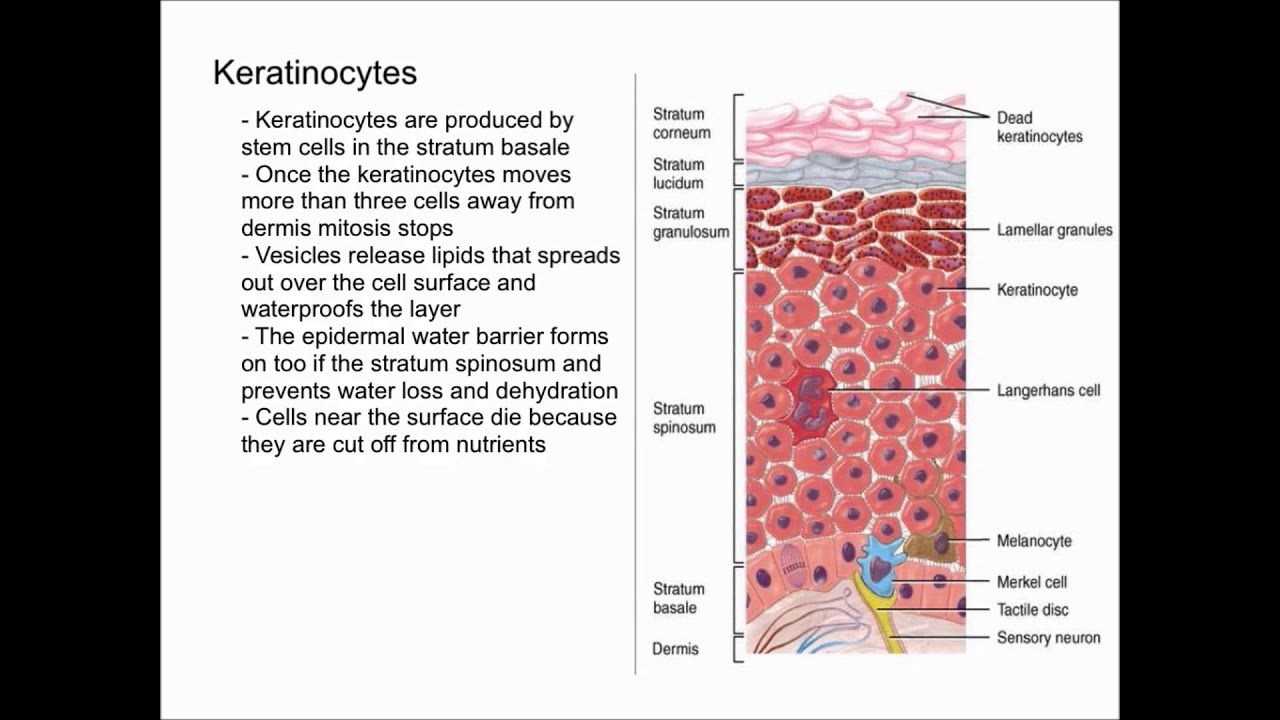
Your skin functions as a storage warehouse for important lipids essential fats and water. Functions of the skin. There are two sections of the skin the epidermis and the dermis each of which aids in the functions in a different way. Start studying Functions of Skin. The Malpighian layer produces the skins pigmentation and protects it against the harmful effects of ultraviolet radiation.
 Source: pinterest.com
Besides providing a layer of protection from pathogens physical abrasions and radiation from the sun the skin serves many functions. The sixth function of the skin is storage. Protects the body. It plays a vital role in homeostasis by maintaining a constant body temperature via the act of sweating or shivering and by making. It can also reveal diseases or dysfunctions of other organs.
 Source: pinterest.com
It also helps regulate body temperature and gathers sensory information from the surrounding environment. The skin protects the tissues of the body from mechanical damage and from bacteria. Besides providing a layer of protection from pathogens physical abrasions and radiation from the sun the skin serves many functions. Of course the fat under the skin also functions as an insulation layer though truthfully most of us would prefer to use a sweater. Protects the body.
 Source: pinterest.com
The skin performs six primary functions which include protection absorption excretion secretion regulation and sensation. Skin functions as the bodys first line of defence against bacteria and viruses and is also a vital sensory organ sensitive to the softest touch as well as pain. Skin is the soft outer tissue which covers vertebrates. Below are the five major functions of the skin. Mechanical thermal and other physical injury.
Source: pinterest.com
Functions of the skin. Allows movement muscles can bend and the body can move. This finely tuned balance between protection from harmful pathogens mostly microorganisms and bidirectional signal exchange is provided. It protects our internal organs from the environment using a multi-layered system of cushioning a cellular barrier and protective oils. Learn vocabulary terms and more with flashcards games and other study tools.
 Source: pinterest.com
Prevents loss of moisture. The Malpighian layer produces the skins pigmentation and protects it against the harmful effects of ultraviolet radiation. The skin has four biological functions. It protects our internal organs from the environment using a multi-layered system of cushioning a cellular barrier and protective oils. Start studying Functions of Skin.
 Source: pinterest.com
Additional functions of the skin include insulation sensation temperature regulation synthesis of vitamin D etc. In humans it is the bodys largest organ covering a total area of about 20 square feet. It can also reveal diseases or dysfunctions of other organs. Healthy skin also maintains the balance of fluids and helps to regular body temperature. Your skin produces vitamin D.
 Source: pinterest.com
Storing lipids fats and water. Some of the different functions of skin include. Start studying Functions of Skin. The skin protects the tissues of the body from mechanical damage and from bacteria. Storing lipids fats and water.
 Source: pinterest.com
Reduces harmful effects of. Feel pain temperature touch deep pressure. For example in the palms of the hands and feet it is thicker than in other parts of the human body. Below are the five major functions of the skin. The skin acts as a protective barrier from.
 Source: pinterest.com
Skin is the largest and heaviest organ in the human body. As our largest and most visible organ covering nearly 2m² and making up almost a sixth of our body weight the structure and. This finely tuned balance between protection from harmful pathogens mostly microorganisms and bidirectional signal exchange is provided. Your skin functions as a storage warehouse for important lipids essential fats and water. Below are the five major functions of the skin.
 Source: pinterest.com
The skin has six primary functions that help maintain its homeostasis. Additional functions of the skin include insulation sensation temperature regulation synthesis of vitamin D etc. The skin is far more than just the outer covering of human beings. The first function of the skin is give protection to the body tissues. Healthy skin also maintains the balance of fluids and helps to regular body temperature.
This site is an open community for users to share their favorite wallpapers on the internet, all images or pictures in this website are for personal wallpaper use only, it is stricly prohibited to use this wallpaper for commercial purposes, if you are the author and find this image is shared without your permission, please kindly raise a DMCA report to Us.
If you find this site adventageous, please support us by sharing this posts to your own social media accounts like Facebook, Instagram and so on or you can also bookmark this blog page with the title what are the functions of the skin by using Ctrl + D for devices a laptop with a Windows operating system or Command + D for laptops with an Apple operating system. If you use a smartphone, you can also use the drawer menu of the browser you are using. Whether it’s a Windows, Mac, iOS or Android operating system, you will still be able to bookmark this website.


