Your Protective functions of the skin images are available. Protective functions of the skin are a topic that is being searched for and liked by netizens today. You can Get the Protective functions of the skin files here. Find and Download all free photos.
If you’re searching for protective functions of the skin images information linked to the protective functions of the skin topic, you have pay a visit to the ideal blog. Our website frequently provides you with suggestions for seeing the maximum quality video and picture content, please kindly surf and locate more enlightening video articles and images that match your interests.
Protective Functions Of The Skin. Skin acts as the first physical barrier to withstand any pressure stress or trauma. Microorganism dehydration ultraviolet light mechanical damage. Production of vitamin D. The skin functions as our first line of defense against toxins radiation and harmful pollutants.
 Epidermis Definition Anatomy And Function Skin Anatomy Epidermis Anatomy From pinterest.com
Your skin produces vitamin D. To keep water from evaporating from your skin into the atmosphere which would cause dehydration and dryness. Key functions of the skin include protection regulation of body temperature and sensation How others respond to people who have skin conditions is an important consideration for nurses Skin 1. Microorganism dehydration ultraviolet light mechanical damage. The skin protects deeper tissues from mechanical damage bumps chemical damage acids and bases ultraviolet radiation damaging effects of sunlight bacterial damage thermal damage heat or cold and desiccation drying out. The skin functions as our first line of defense against toxins radiation and harmful pollutants.
Skin acts as the first physical barrier to withstand any pressure stress or trauma.
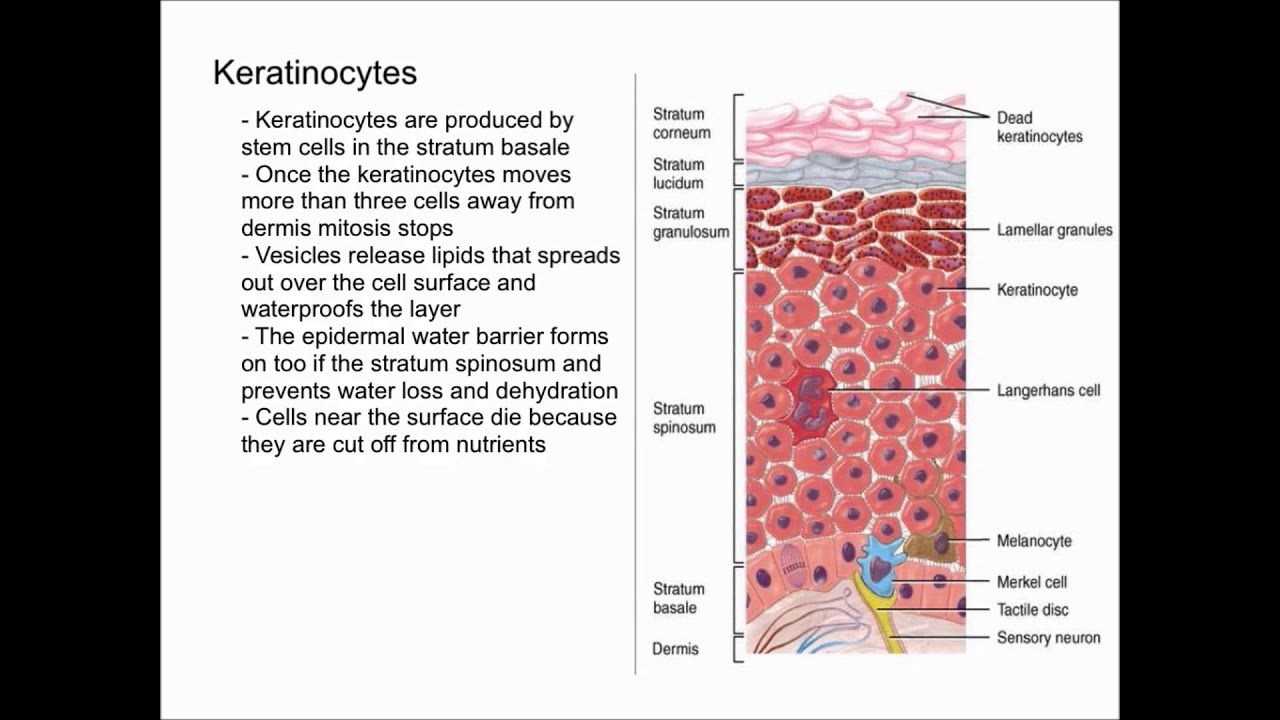
Protection regulation and sensation. Within this it performs several important and vital physiological functions as outlined below Graham-Brown and Bourke 2006. The skin has three main functions. In conclusion it should be clear that the true function of skin is to provide a protective shield by using all of the confederacy of cell types particularly keratinocytes to thwart infections and non-infectious threats to maintain the homeostasis of the body. Prevents water loss from body surface. Production of vitamin D.
 Source: pinterest.com
Skin acts as the first physical barrier to withstand any pressure stress or trauma. To keep water from evaporating from your skin into the atmosphere which would cause dehydration and dryness. Prevents loss of moisture. INTEGUMENTARY SYSTEM Functions of the Integumentary System 1. Because theyre also the first to encounter damage the cells of the epidermis are constantly renewing themselves with dead skin cells falling off by the tens of thousands each minute.
 Source: pinterest.com
Protection The outermost layer of your skin the epidermis is the thin tough part of your body that acts like a protective shell. An immune organ to detect infections etc. The structure and functions of the skin Author Sandra Lawton Queens Nurse and nurse consultant and clinical lead dermatology The Rotherham NHS Foundation Trust. Microorganism dehydration ultraviolet light mechanical damage. The skin acts as a protective barrier from.
 Source: pinterest.com
Protection regulation and sensation. The skin acts as a protective barrier from. Feb 02 2012 The skin performs six primary functions which include protection absorption excretion secretion regulation and sensation. And it allows your body to feel sensations such as warmth cold pressure itching and pain. Protection The outermost layer of your skin the epidermis is the thin tough part of your body that acts like a protective shell.
 Source: pinterest.com
Reduces harmful effects of UV radiation. What protects skin from. Binding in moisture when necessary and preventing moisture loss. Functions of the skin. But skins most important role is as the first line of defence between our bodies and the world we live in.
 Source: pinterest.com
It helps prevent dehydration and protects you from the negative effects of too much heat or cold. The skin aids in body heat loss. But skins most important role is as the first line of defence between our bodies and the world we live in. The skin acts as a protective barrier from. In humans it is the bodys largest organ covering a total area of about 20 square feetIt protects our internal organs from the environment using a multi-layered system of.
 Source: pinterest.com
Many new avenues of exploration are now open for investigators including studies concentrating on TLRs NF-κB signaling and p16. Your skin produces vitamin D. The skin has three main functions. Other animal coverings such as the arthropod exoskeleton have different developmental origin structure and chemical composition. Skin also plays an important role in regulating your body temperature.
 Source: pinterest.com
Other animal coverings such as the arthropod exoskeleton have different developmental origin structure and chemical composition. Protection regulation and sensation. Skin also plays an important role in regulating your body temperature. What are the 7 functions of the skin. Within this it performs several important and vital physiological functions as outlined below Graham-Brown and Bourke 2006.
 Source: pinterest.com
Skin acts as the first physical barrier to withstand any pressure stress or trauma. Insulates cushions underlying body tissues. The skin acts as a protective barrier from. The skin protects the rest of the body from the basic elements of nature such as wind water and UV sunlight. Skin is the soft outer tissue which covers vertebrates.
 Source: pinterest.com
Protection against pathogens - Intact healthy skin provides a physical barrier from invasion by. The skin functions as our first line of defense against toxins radiation and harmful pollutants. Maintaining the balance of fluids in the body. Production of vitamin D. The skin barrier acts as a protective shield for your skin with two primary functions.
 Source: pinterest.com
It helps prevent dehydration and protects you from the negative effects of too much heat or cold. But skins most important role is as the first line of defence between our bodies and the world we live in. In conclusion it should be clear that the true function of skin is to provide a protective shield by using all of the confederacy of cell types particularly keratinocytes to thwart infections and non-infectious threats to maintain the homeostasis of the body. Maintaining the balance of fluids in the body. It acts as a protective barrier against water loss due to the presence of layers of keratin and glycolipids in the stratum corneum.
 Source: pinterest.com
As the first line of defense against the external environment the epidermis is continuously replenishing and shedding tens of thousands of dead cells every minute to protect the body from. Within this it performs several important and vital physiological functions as outlined below Graham-Brown and Bourke 2006. Skin has four main functions as follows. In conclusion it should be clear that the true function of skin is to provide a protective shield by using all of the confederacy of cell types particularly keratinocytes to thwart infections and non-infectious threats to maintain the homeostasis of the body. But skins most important role is as the first line of defence between our bodies and the world we live in.
 Source: pinterest.com
If the skin is severely damaged it will try to heal by forming scar tissue which is often discoloured and depigmented. In conclusion it should be clear that the true function of skin is to provide a protective shield by using all of the confederacy of cell types particularly keratinocytes to thwart infections and non-infectious threats to maintain the homeostasis of the body. Skin plays an important role in protecting our bodies. Binding in moisture when necessary and preventing moisture loss. Other animal coverings such as the arthropod exoskeleton have different developmental origin structure and chemical composition.
 Source: in.pinterest.com
Additional functions of the skin include insulation sensation temperature regulation synthesis of vitamin D etc. To keep allergens irritants and bacteria from being able to penetrate your skin. Functions of the skin. Maintaining the balance of fluids in the body. Skin is the layer of usually soft flexible outer tissue covering the body of a vertebrate animal with three main functions.
Source: pinterest.com
The skin functions as our first line of defense against toxins radiation and harmful pollutants. Skin also plays an important role in regulating your body temperature. Within this it performs several important and vital physiological functions as outlined below Graham-Brown and Bourke 2006. The skin barrier acts as a protective shield for your skin with two primary functions. Reduces harmful effects of UV radiation.
 Source: pinterest.com
Skin contains cells that provide immune functions to protect against infections. Skin has four main functions as follows. Insulates cushions underlying body tissues. This is purely based off my knowledge and this may be wrong. The skin protects deeper tissues from mechanical damage bumps chemical damage acids and bases ultraviolet radiation damaging effects of sunlight bacterial damage thermal damage heat or cold and desiccation drying out.
 Source: pinterest.com
These are they four protective functions of the skin. Protection The skin functions as our first line of defense against toxins radiation and harmful pollutants. Skin contains cells that provide immune functions to protect against infections. Protects entire body from abrasion exposure to harmful chemicals temp extremes bacterial invasion. Prevents loss of moisture.
 Source: pinterest.com
Skin contains cells that provide immune functions to protect against infections. Protection against pathogens - Intact healthy skin provides a physical barrier from invasion by. Prevents loss of moisture. Acts as a sensory organ touch detects temperature. The skin has three main functions.
 Source: pinterest.com
The skin performs six primary functions which include protection absorption excretion secretion regulation and sensation. Provides a protective barrier against mechanical thermal and physical injury and hazardous substances. Prevents water loss from body surface. Insulates cushions underlying body tissues. The skin performs six primary functions which include protection absorption excretion secretion regulation and sensation.
This site is an open community for users to share their favorite wallpapers on the internet, all images or pictures in this website are for personal wallpaper use only, it is stricly prohibited to use this wallpaper for commercial purposes, if you are the author and find this image is shared without your permission, please kindly raise a DMCA report to Us.
If you find this site good, please support us by sharing this posts to your preference social media accounts like Facebook, Instagram and so on or you can also save this blog page with the title protective functions of the skin by using Ctrl + D for devices a laptop with a Windows operating system or Command + D for laptops with an Apple operating system. If you use a smartphone, you can also use the drawer menu of the browser you are using. Whether it’s a Windows, Mac, iOS or Android operating system, you will still be able to bookmark this website.


