Your Parts of the skin images are available in this site. Parts of the skin are a topic that is being searched for and liked by netizens today. You can Download the Parts of the skin files here. Download all free images.
If you’re searching for parts of the skin pictures information linked to the parts of the skin keyword, you have come to the right site. Our site always gives you suggestions for seeing the highest quality video and picture content, please kindly hunt and locate more informative video articles and images that fit your interests.
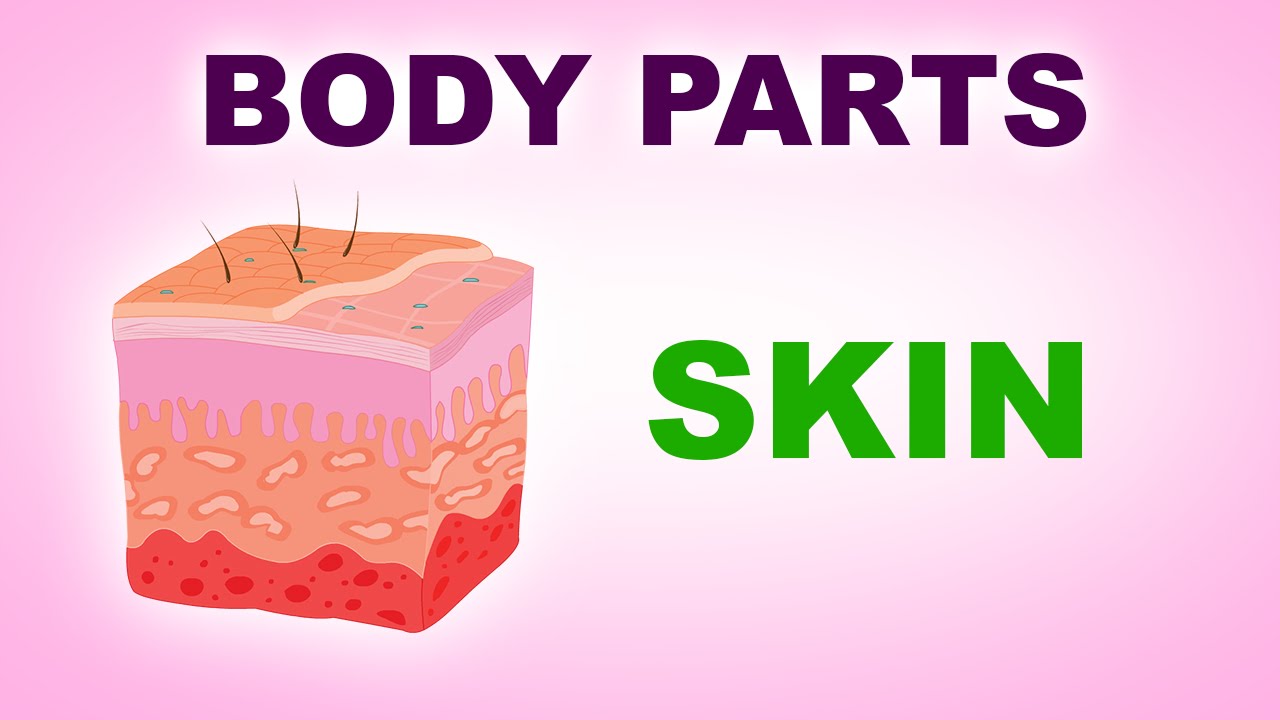
Parts Of The Skin. It is made up of cells called keratinocytes which are stacked on top of each other forming different sub-layers. Skin covers your body and has three layers. This gives the skin its color. There are two parts of the skin.
 Pin On Private Parts From pinterest.com
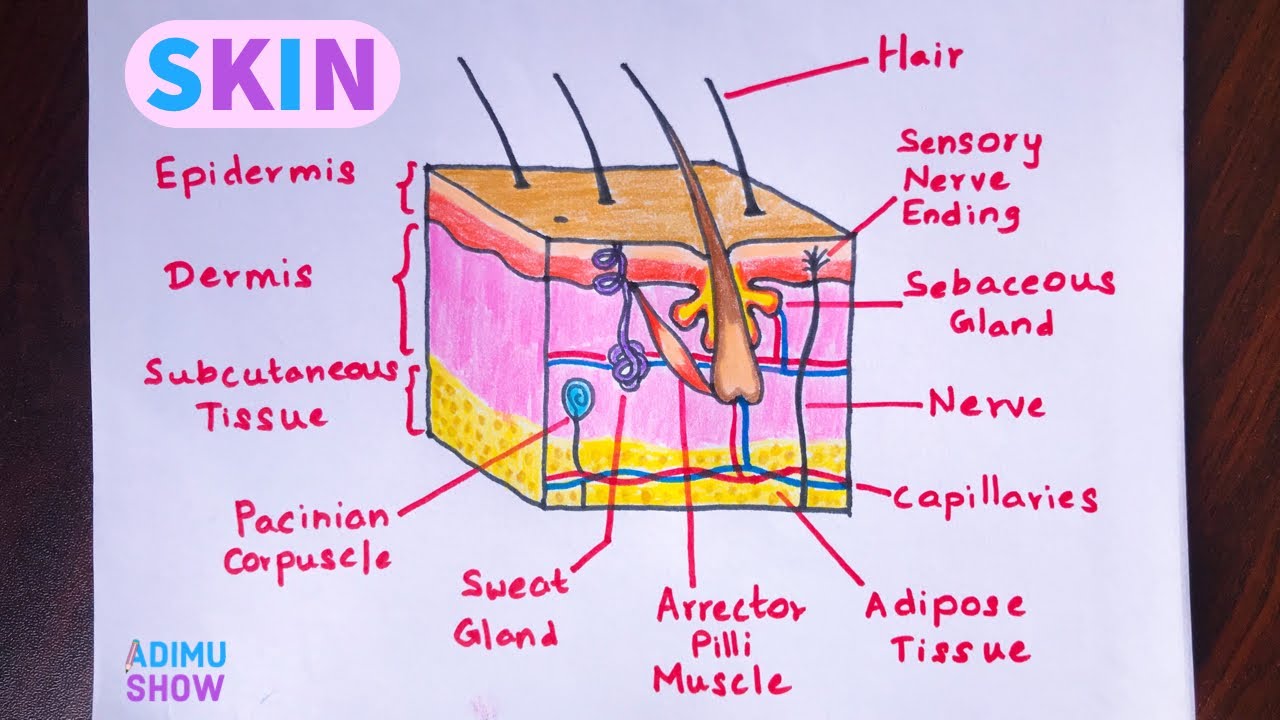
The Dermis and the Epidermis. Parts of the Skin. The integumentary system consists of the skin hair nails and exocrine glands. Skin The bodys largest organ Epidermis The outermost layer of skin Melanin That gives the skin its color Follicle A tiny tube in the skin where the hair grows. Epidermis The epidermis is the outermost layer. It is the middle layer of the skin.
In mammals the skin is an organ of the integumentary system made up of multiple layers of ectodermal tissue and guards the underlying muscles bones ligaments and internal organs.
Different Parts of the Skin. Parts of the Skin. It is a waterproof barrier that gives skin its. Although these cells help detect foreign substances and defend the body against infection they also play a role in the development of skin allergies. It is made up of cells called keratinocytes which are stacked on top of each other forming different sub-layers. Most of the receptors that detect pain nociceptors pressure.
 Source: pinterest.com
If the dermis is stretched a lot for instance during pregnancy the dermis can be torn which is the reason behind stretch marks. Functions of the skin. The dermis contains the following. It is the middle layer of the skin. Although these cells help detect foreign substances and defend the body against infection they also play a role in the development of skin allergies.
 Source: pinterest.com
The epidermis the outermost layer of skin provides a waterproof barrier and creates our skin tone. This layer is seen on the surface of the skin. In mammals the skin is an organ of the integumentary system made up of multiple layers of ectodermal tissue and guards the underlying muscles bones ligaments and internal organs. The skin consists of two layersthe outer thinner epidermis and the inner thicker dermis. But this is much like many other beauty myths.
 Source: pinterest.com
Layers of the Epidermis Stratum basale Deepest layer of epidermis Cells actively undergoing cell division New cells are pushed upward to become the more superficial layers Stratum spinosum intermediate layer Stratum granulosum another layer Layers of the Epidermis Stratum lucidum Formed from dead cells of the deeper layers Occurs only in thick hairless skin of the palms of. Skin is the biggest organ and is. The skin is an amazing part of the human body and this science quiz game will help you identify its components. Skin of a different nature exists in amphibians reptiles and birds. There are two parts of the skin.
 Source: pinterest.com
This is an online quiz called Name the parts of the human skin There is a printable worksheet available for download here so you can take the quiz with pen and paper. It is made up of cells called keratinocytes which are stacked on top of each other forming different sub-layers. But this is much like many other beauty myths. The skin is an organ. The epidermis the outermost layer of skin provides a waterproof barrier and creates our skin tone.
 Source: pinterest.com
This gives the skin its color. The dermis the skins next layer is a thick layer of fibrous and elastic tissue made mostly of collagen with a small but important. The skin has three basic layers the epidermis the dermis and the hypodermis. The epidermis also contains Langerhans cells which are part of the skins immune system. The keratinocytes develop at the bottom and rise to.
 Source: pinterest.com
The skin has three basic layers the epidermis the dermis and the hypodermis. The integumentary system consists of the skin hair nails and exocrine glands. Between all the parts of the skin the dermis mostly consists of connective tissue. In mammals the skin is an organ of the integumentary system made up of multiple layers of ectodermal tissue and guards the underlying muscles bones ligaments and internal organs. Nerve endings It tells your brain how things feel when you touch them.
 Source: pinterest.com
Most of the receptors that detect pain nociceptors pressure. Discover the function and structure of three main layers of your skin including the epidermis dermis and. Nerve endings It tells your brain how things feel when you touch them. Skin The bodys largest organ Epidermis The outermost layer of skin Melanin That gives the skin its color Follicle A tiny tube in the skin where the hair grows. Skin covers your body and has three layers.
 Source: pinterest.com
The skin is an organ. But this is much like many other beauty myths. The Skin - Science Quiz. Sebum The skins natural oil Dermis The middle layer of the skin Lower dermis The innermost layer of the skin. Many believe that it can lead to acne.
 Source: pinterest.com
Nerve endings It tells your brain how things feel when you touch them. In fact its the bodys largest organ and is responsible for protection against germs that can cause infection. Between all the parts of the skin the dermis mostly consists of connective tissue. The skin consists of two layersthe outer thinner epidermis and the inner thicker dermis. Sebum The skins natural oil Dermis The middle layer of the skin Lower dermis The innermost layer of the skin.
Source: pinterest.com
Underneath the dermis is the hypodermis also called the subcutaneous layer which is where fat is stored. Skin The bodys largest organ Epidermis The outermost layer of skin Melanin That gives the skin its color Follicle A tiny tube in the skin where the hair grows. The dermis is the middle layer of the skin. Epidermis The outermost layer that acts as a barrier Dermis The middle layer comprising sweat glands hair follicles and connective tissues Hypodermis The innermost layer made of fat and connective tissues. This gives the skin its color.
 Source: pinterest.com
Most of the receptors that detect pain nociceptors pressure. Sebum The skins natural oil Dermis The middle layer of the skin Lower dermis The innermost layer of the skin. This layer gives skin flexibility and strength. The skin is multipurpose meaning it has a lot of functions. Often most skin regimes are limited to cleansing toning treating and moisturising.
 Source: pinterest.com
If the dermis is stretched a lot for instance during pregnancy the dermis can be torn which is the reason behind stretch marks. Although these cells help detect foreign substances and defend the body against infection they also play a role in the development of skin allergies. In fact its the bodys largest organ and is responsible for protection against germs that can cause infection. The human skin has several layers and each one of them contains different components. The integumentary system consists of the skin hair nails and exocrine glands.
 Source: pinterest.com
Epidermis The outermost layer that acts as a barrier Dermis The middle layer comprising sweat glands hair follicles and connective tissues Hypodermis The innermost layer made of fat and connective tissues. The dermis the skins next layer is a thick layer of fibrous and elastic tissue made mostly of collagen with a small but important. The skin is an amazing part of the human body and this science quiz game will help you identify its components. Epidermis The outermost layer that acts as a barrier Dermis The middle layer comprising sweat glands hair follicles and connective tissues Hypodermis The innermost layer made of fat and connective tissues. For someone with an oily skin the thought of using facial oils can be scary.
 Source: pinterest.com
This layer is seen on the surface of the skin. The epidermis outer layer which provides a waterproof barrier and contains cells melanocytes that gives your skin colour the dermis middle layer which contains tough connective tissue hair follicles and sweat glands the hypodermis or subcutis deeper layer which has fat and connective tissue. Nerve endings It tells your brain how things feel when you touch them. Between all the parts of the skin the dermis mostly consists of connective tissue. The skin is multipurpose meaning it has a lot of functions.
 Source: pinterest.com
The Skin - Science Quiz. Between all the parts of the skin the dermis mostly consists of connective tissue. It contains many complex structures including nerves blood vessels hair follicles sweat glands and sebaceous glands which produce the waxy oily substance that coats your skin to protect it from environmental damage. Discover the function and structure of three main layers of your skin including the epidermis dermis and. For someone with an oily skin the thought of using facial oils can be scary.
 Source: pinterest.com
The integumentary system consists of the skin hair nails and exocrine glands. Nerve endings It tells your brain how things feel when you touch them. There are two parts of the skin. For someone with an oily skin the thought of using facial oils can be scary. The skin is an organ.
 Source: pinterest.com
Skin The bodys largest organ Epidermis The outermost layer of skin Melanin That gives the skin its color Follicle A tiny tube in the skin where the hair grows. But this is much like many other beauty myths. Different Parts of the Skin. Functions of the skin. There are two parts of the skin.
 Source: pinterest.com
It protects the body from strain and stress gives it elasticity and strength. The skin consists of two layersthe outer thinner epidermis and the inner thicker dermis. Discover the function and structure of three main layers of your skin including the epidermis dermis and. The dermis is held together by a protein called collagen. The epidermis the outermost layer of skin provides a waterproof barrier and creates our skin tone.
This site is an open community for users to share their favorite wallpapers on the internet, all images or pictures in this website are for personal wallpaper use only, it is stricly prohibited to use this wallpaper for commercial purposes, if you are the author and find this image is shared without your permission, please kindly raise a DMCA report to Us.
If you find this site good, please support us by sharing this posts to your own social media accounts like Facebook, Instagram and so on or you can also save this blog page with the title parts of the skin by using Ctrl + D for devices a laptop with a Windows operating system or Command + D for laptops with an Apple operating system. If you use a smartphone, you can also use the drawer menu of the browser you are using. Whether it’s a Windows, Mac, iOS or Android operating system, you will still be able to bookmark this website.


